Microscopes
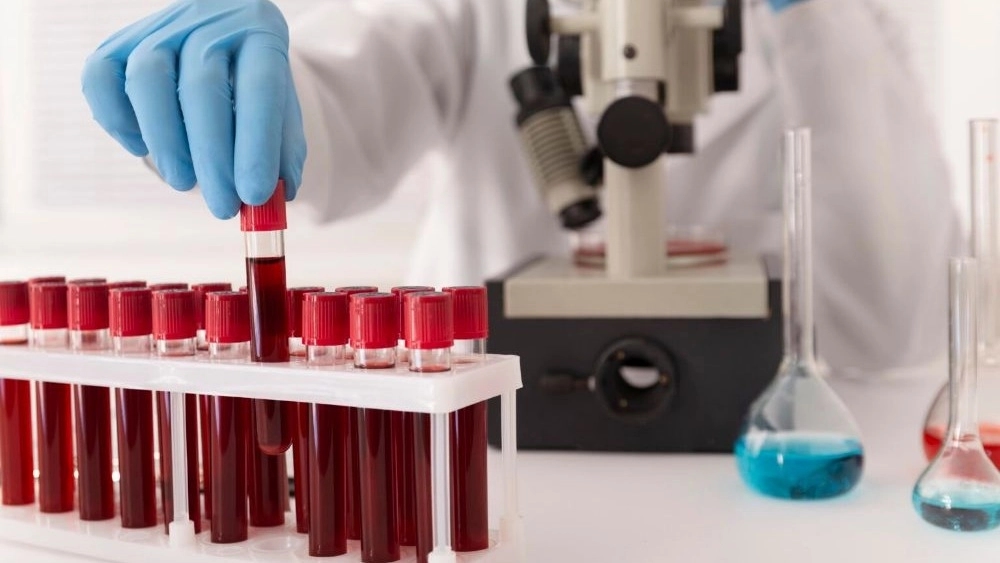
Microscopes are the main parts of the pathology laboratory. These devices allow pathologists to examine biological samples under a microscope and detect microscopic changes in cells and tissues.
Microscopic Equipment
This includes glass slides, coverslips, stains, and materials for sampling and preserving samples. Sample fixation and processing devices: devices such as fixators (to fix samples), tissue processors (to prepare tissue sections) and automatic processors (to generate optimal conditions for sample analysis) are included in this category.
Steining and Coloring
Samples are stained using pathology-specific dyes for better differentiation and recognition of tissue components. Digital imaging systems: These systems allow pathologists to capture microscopic images and store them digitally to share and improve for study and analysis.
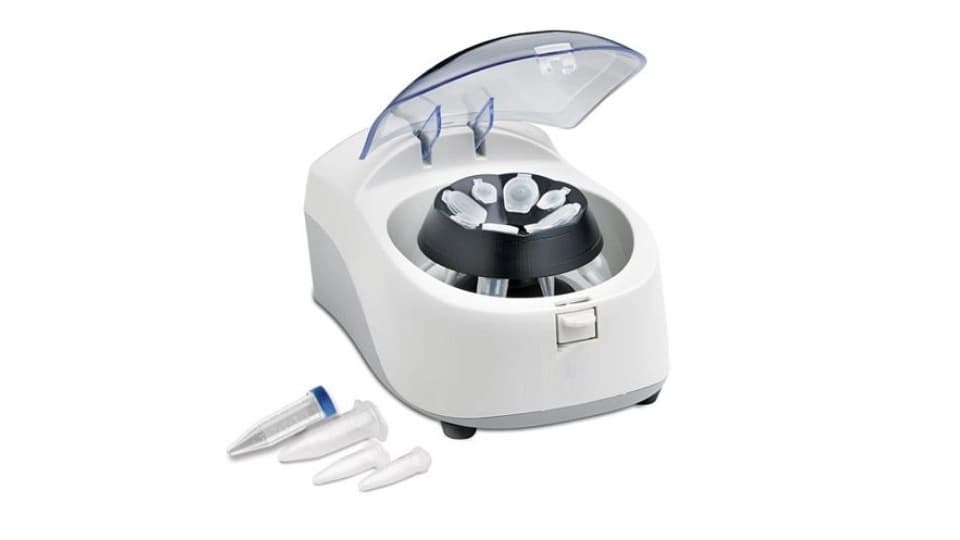
Centrifuges are used to separate different elements of samples by rotating them at high speed.
centrifugal
Computer & Related Software
Special pathology software helps pathologists analyze and report test results.
Safety and Protection Equipment
Such as gloves, masks and usually curtains and special clothing to avoid direct contact with pathogenic samples.
Automatic Sampling Systems
It is very important to extract samples from automatic sampling.
Equipment Related Sample Storage
Special refrigerators and freezers for storing tissue samples and biological samples.
Pathology Laboratory Devices
◾️ Eliza Washer Eliza Reeder Blood cell counters Centrifuge Reagents and chemicals Flow cytometry Sahil's hemoglobin count